About Us
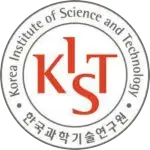
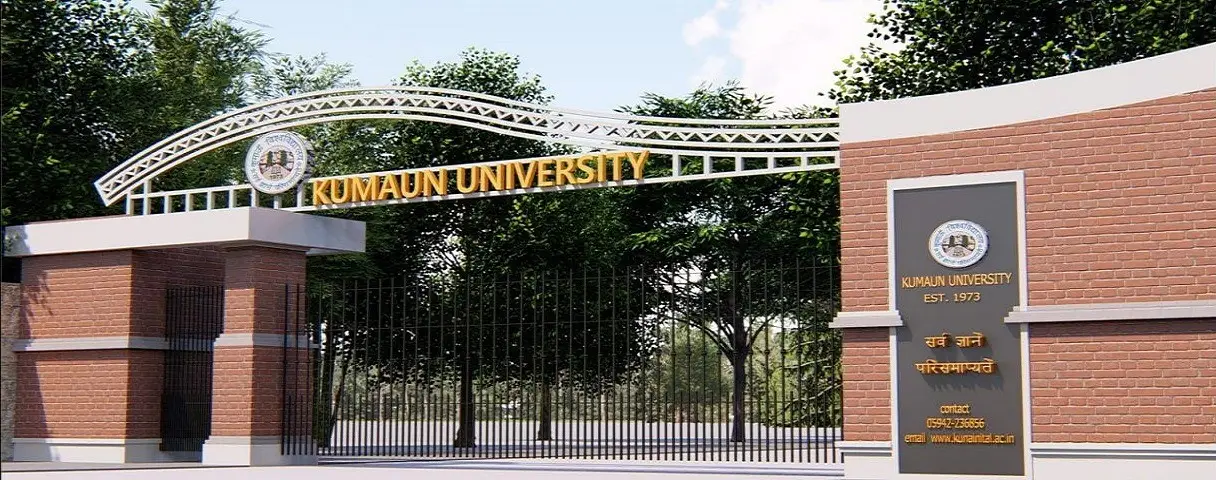
Kumaun University, established in 1973, is a renowned public university located in Nainital, Uttarakhand, India. It offers a wide array of undergraduate, postgraduate and doctoral programs across various disciplines. Known for its picturesque campus nestled in the Himalayan foothills, the university is dedicated to academic excellence and research innovation.
Chemistry Department and Prof. Rajendra Singh Nanoscience & Nanotechnology Centre:
Established in 1951 under Agra University, the Department of Chemistry at Kumaun University has evolved into a cornerstone of academic and research excellence in India. Offering a comprehensive range of undergraduate, postgraduate, and doctoral programs, the department is renowned for its rigorous academic standards and modern research facilities. Recognized with financial support at FIST level-1, it is committed to advancing knowledge across diverse fields including natural products, soil chemistry, chemical kinetics, medicinal chemistry, organic synthesis and nano materials.
Established in 1951 under Agra University, the Department of Chemistry at Kumaun University has evolved into a cornerstone of academic and research excellence in India. Offering a comprehensive range of undergraduate, postgraduate, and doctoral programs, the department is renowned for its rigorous academic standards and modern research facilities. Recognized with financial support at FIST level 1, it is committed to advancing knowledge across diverse fields including natural products, soil chemistry, chemical kinetics, medicinal chemistry, organic synthesis and nano materials.
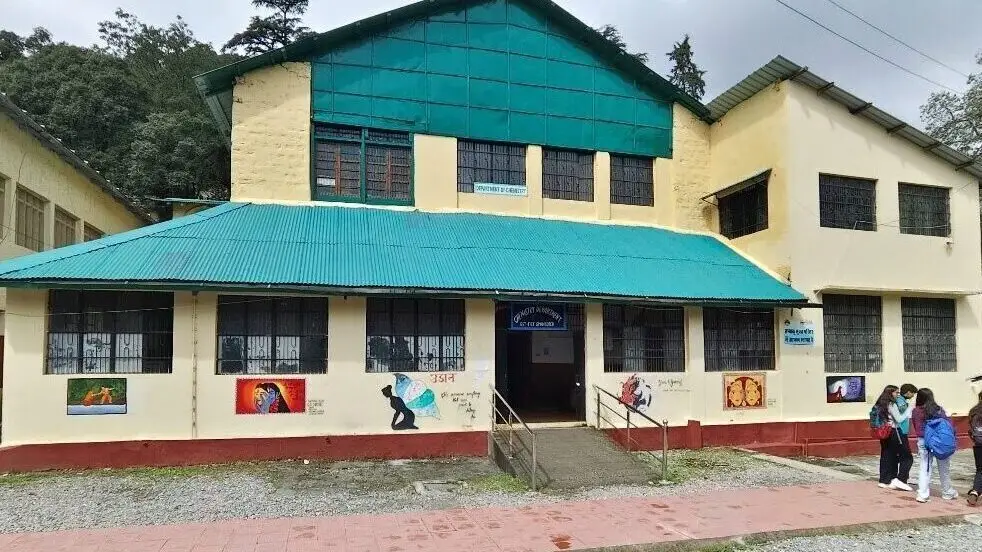
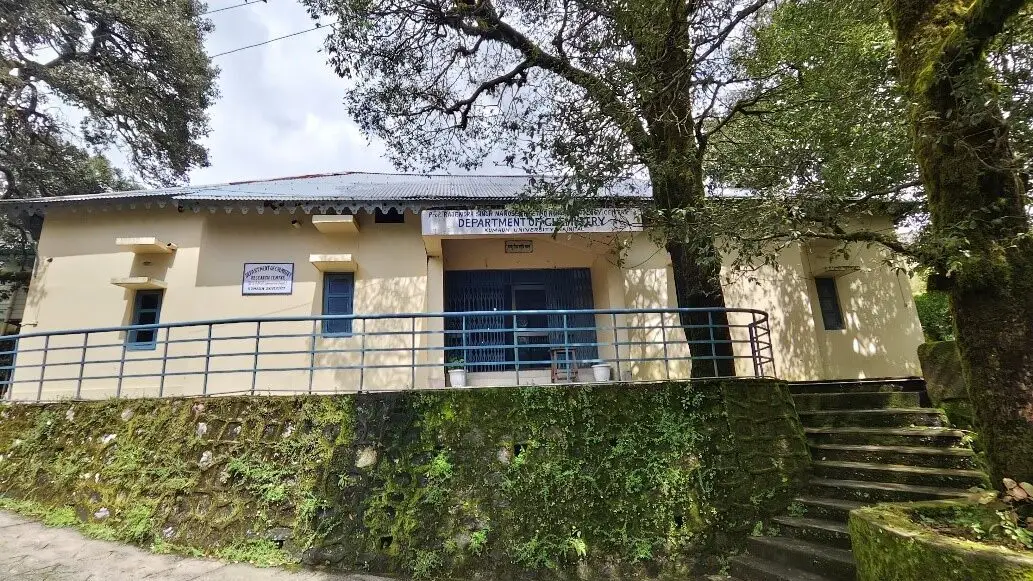
In February 2015, the Prof. Rajendra Singh Nanoscience and Nanotechnology Centre (PRS-NSNT) was established through the generous funding provided by Shree Tarun Vijay, a distinguished Member of Parliament (Rajya Sabha). This centre has since become a hallmark of excellence in Uttarakhand, leading the charge in cutting-edge nano research across a spectrum of disciplines. Its endeavours are particularly notable for their innovative approach to solid waste management, focusing on the upcycling of diverse solid wastes such as waste plastics, agricultural residues, and paper waste. Through these efforts, the centre pioneers the development of a wide range of nanomaterials tailored for applications including supercapacitors, batteries, biomaterials, water treatment, polymer nanocomposites and other advanced nanotechnology applications.
By leveraging interdisciplinary collaboration and state-of-the-art facilities, the centre continues to expand the frontiers of scientific knowledge and technological innovation in the region and beyond. Its holistic approach not only addresses environmental challenges through sustainable waste management practices but also drives advancements in materials science and nanotechnology, contributing significantly to both academic research and practical applications in industry.
Korea Institute of Science and Technology (KIST):
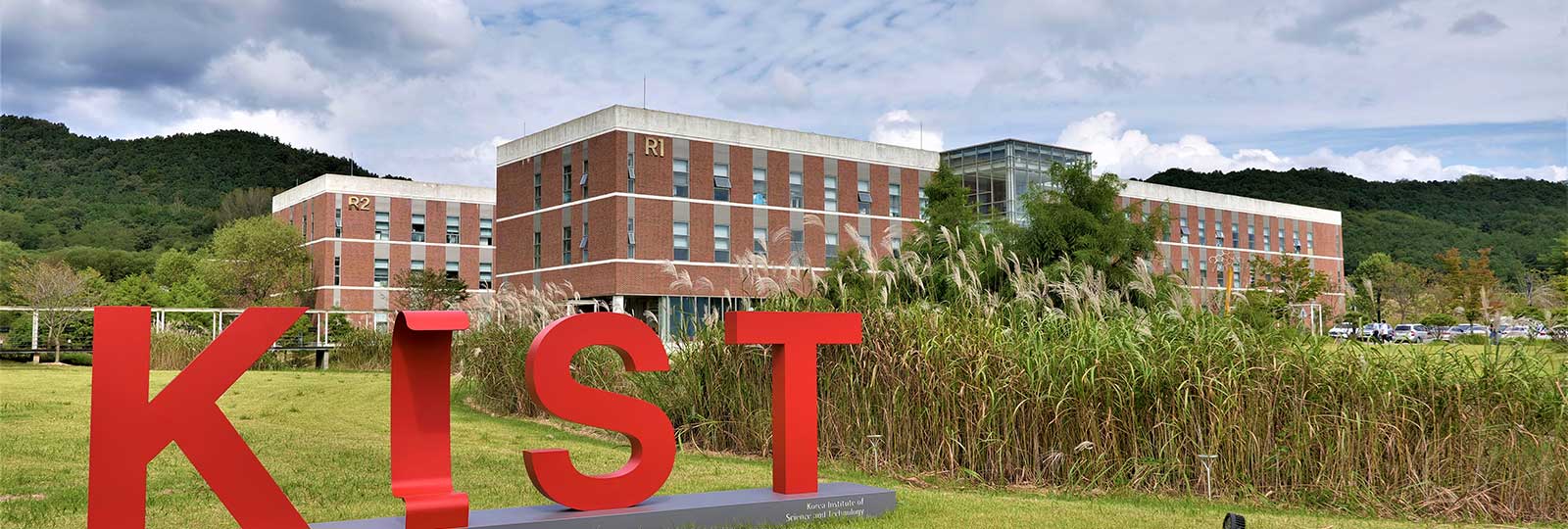
Established in 1996, the Korea Institute of Science and Technology (KIST) has been pivotal in South Korea’s technological ascent. Initially focusing on industrials development, KIST diversified its research to encompass biotechnology, nanotechnology, information technology, and renewable energy. By fostering collaborations between industry, academia, and government, KIST translated research into practical applications, driving economic growth and innovation. Through its commitment to excellence in research and education, KIST has cultivated a skilled workforce and made significant contributions to both south Korea’s developments and global scientific advancement.